
From Manual to Digital: Tracking the Evolution of the Warehouse
When I first started in warehousing, everything was done on paper. Clipboards, checklists, carbon copies — you name it. If you wanted to know where a pallet was, you asked around or went for a wander to hunt it down. It sounds slow now, but back then, that was just the way things worked.
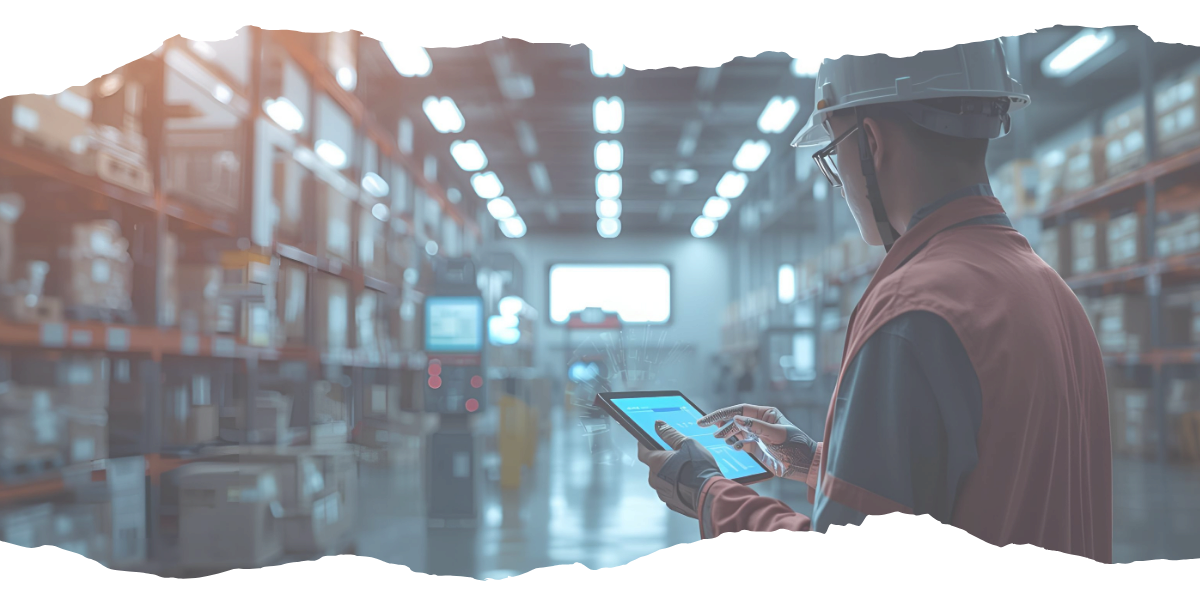
Fast forward a decade, and I’ve seen the whole game change. These days, it’s scanners, tablets, and dashboards. Every movement is logged, tracked, and timed down to the second. Some warehouses I’ve worked in even have AI systems predicting what stock we’ll need before the order even hits. It’s a far cry from those days of scribbling SKU numbers in barely readable handwriting.
I’ll be honest — when the tech first started rolling out, plenty of us on the floor weren’t thrilled. It felt like we were being watched, timed, and measured on every move. And to some extent, that’s true. But once you get past the adjustment, you start to see the upsides. Fewer mistakes, less chasing missing stock, quicker turnarounds. Instead of double-handling and second-guessing, we’ve got clearer direction and better visibility.
That’s not to say it’s all smooth. Anyone who’s been mid-shift when the Wi-Fi drops out knows the chaos that follows. Suddenly the scanners are useless, and it feels like stepping back in time. Same goes for when the system flags errors that aren’t really there — you spend half your time working out if it’s the software or the stock that’s the problem.
What I’ve found is that the best warehouses strike a balance. They use tech to make life easier, not harder. They still trust the experience of floor workers who know the job inside out. A scanner might tell you an item’s in aisle 7, but a seasoned picker knows it was shifted last night to make room for a new pallet. The tech helps, but the human touch keeps it real.
Looking back, I can’t imagine going back to full paper-based systems. I don’t miss the mess of paperwork or the scramble to track something down. But I also don’t think tech should replace the common sense and know-how that comes with years on the floor. At the end of the day, the future of warehouses isn’t about choosing manual or digital — it’s about blending both.
So yeah, warehouses have come a long way. And I reckon they’ll keep changing faster than we expect. As long as the people on the floor are part of the journey, not just passengers, I think we’ll be alright.
— Jack O’Connor


Have something to add?
Share your experience, perspective or thoughts on the topic below.