.png?width=200&height=100&name=IPA%20Logo%20Transparent%20(Hi-Res).png "IPA Logo Transparent (Hi-Res)")

Workplace Rituals: Designing for Belonging
Why Workplace Rituals Matter More Than Ever in Building Belonging
When organisations talk about culture, the conversation often focuses on large-scale initiatives — engagement programs, leadership frameworks, wellbeing strategies, or company values campaigns.
But after more than 18 years working in People & Culture, I’ve found that belonging is rarely built through major announcements alone.
More often, it’s shaped quietly through rituals.
The repeated moments employees come to expect:
- Monday morning check-ins
- Team lunches
- Recognition habits
- How new starters are welcomed
- How milestones are celebrated
- Even how meetings begin and end
These moments may appear small on the surface, but over time they strongly influence whether employees feel connected, included, and psychologically safe at work.
In 2026, as hybrid work, workforce fragmentation, and operational pressure continue reshaping Australian workplaces, intentional rituals are becoming one of the most effective tools leaders have for strengthening belonging.
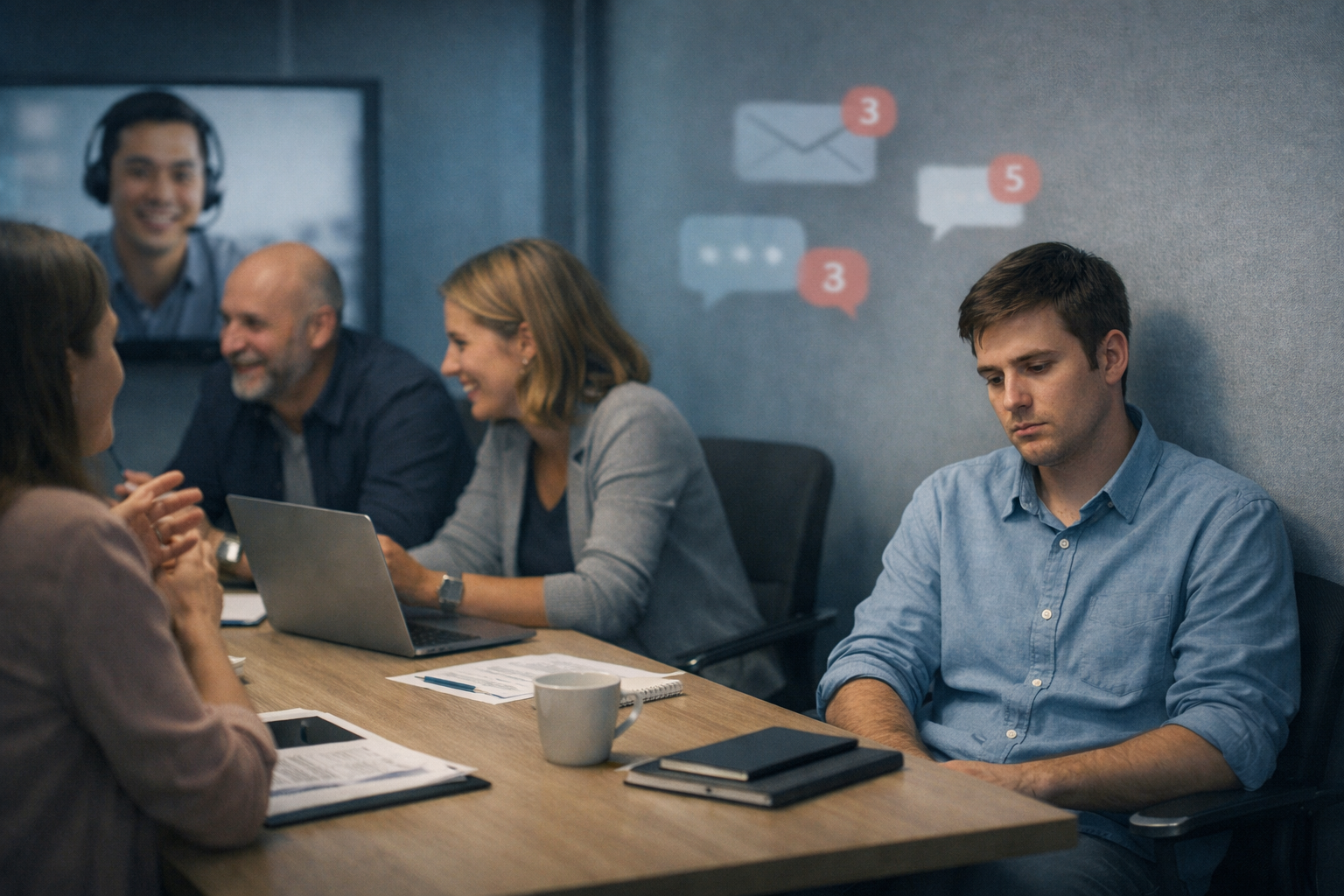
The Problem: Many Workplaces Have Become Operationally Connected but Emotionally Disconnected
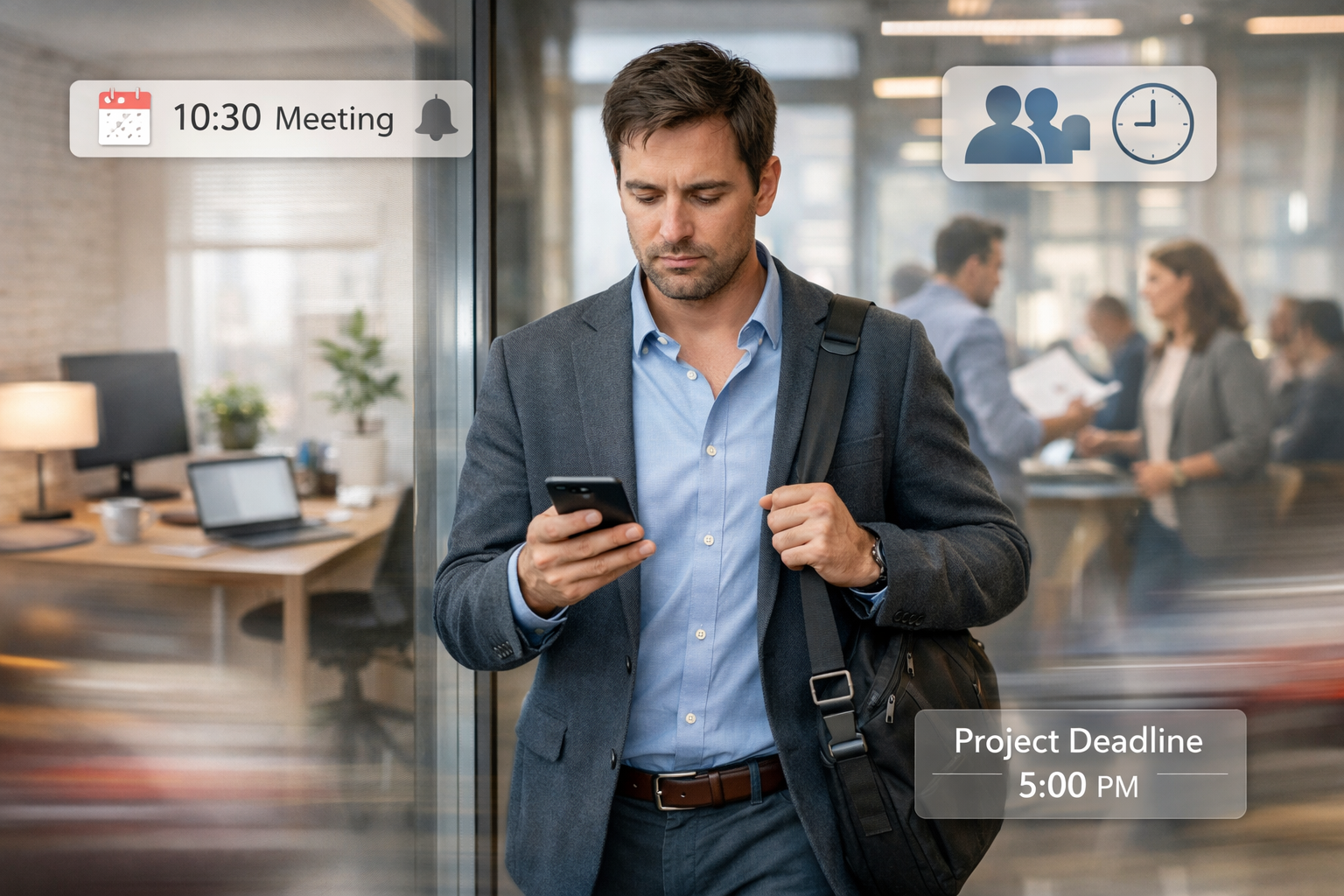
One of the biggest challenges emerging in modern workplaces is that teams are still collaborating operationally, but connection is weakening socially and emotionally.
Hybrid work has changed how employees experience culture.
Before flexible work became widespread, many workplace rituals happened naturally:
- Kitchen conversations
- Shared lunches
- Informal celebrations
- End-of-day chats
- Quick debriefs after meetings
Today, those moments occur less frequently — and in many organisations, they have not been intentionally replaced.
The result is workplaces that function efficiently but increasingly feel transactional.
I worked with an engineering organisation that noticed employee engagement declining after moving into a long-term hybrid model. Employees described feeling disconnected from colleagues and less connected to the organisation itself, despite maintaining strong productivity levels.
The issue was not workload.
It was the gradual loss of shared moments that created belonging.
Practical Solutions: Designing Rituals That Strengthen Culture
The good news is that effective workplace rituals do not need to be expensive, large-scale, or overly structured.
In fact, the strongest rituals are usually simple, repeatable, and authentic.
1. Create Consistent Team Connection Points
Employees value predictability in uncertain environments.
Simple rituals such as:
- Weekly non-operational check-ins
- Team reflection moments
- End-of-project debriefs
- Monthly appreciation rounds
- Structured onboarding welcomes
can significantly strengthen team cohesion over time.
Consistency matters more than complexity.
2. Ensure Rituals Are Inclusive
Not every workplace tradition creates belonging.
Some unintentionally create exclusion, particularly when they:
- Revolve heavily around alcohol
- Favour extroverted personalities
- Exclude remote or shift-based employees
- Rely on in-jokes or existing social groups
People & Culture leaders should regularly ask:
“Who might feel left out of this experience?”
Inclusive rituals ensure participation feels accessible across personalities, schedules, and work styles.
3. Redesign Rituals for Hybrid Work
In hybrid workplaces, connection now needs to be created more intentionally.
Successful organisations are increasingly introducing:
- Virtual onboarding buddies
- Weekly wellbeing check-ins
- Public celebration of team wins across locations
- Shared learning moments during meetings
- No-agenda connection sessions
- Reflection rituals after busy periods
The goal is not forced social interaction.
It is creating consistent moments of human connection.
4. Strengthen Recognition Habits
Recognition rituals are becoming increasingly important in modern workplaces.
Employees want:
- Genuine appreciation
- Visibility for contributions
- Specific acknowledgment from leaders and peers
Importantly, recognition does not need to be formal or expensive.
Small moments often create the strongest cultural impact:
- Team shout-outs
- Thank-you messages
- Project debrief recognition
- Celebrating effort as well as outcomes
People rarely remember generic praise.
They remember feeling seen and valued.
Workplace Ritual Checklist
Use this quick review to assess whether your workplace rituals are strengthening belonging:
□ Do rituals create genuine connection?
□ Are they inclusive across personalities and work styles?
□ Can remote or hybrid employees participate meaningfully?
□ Do rituals feel authentic rather than performative?
□ Are they sustainable and consistent over time?
□ Does leadership participate visibly and consistently?
□ Do rituals reinforce organisational values?
□ Is recognition occurring regularly and naturally?
If several areas are missing, employees may be experiencing culture as transactional rather than relational.
Final Thoughts
In my experience, workplace rituals are often underestimated because they seem small.
But they quietly shape culture every day.
The strongest organisations in 2026 will not necessarily be the loudest or most performative. They will be the workplaces intentionally creating moments that help employees feel:
- Seen
- Included
- Connected
- Valued
Because belonging is rarely created through one major initiative.
It is built through repeated moments people come to trust.
What workplace ritual has had the biggest positive impact on connection or belonging in your organisation?