
Building a Culture of Psychological Safety at Work
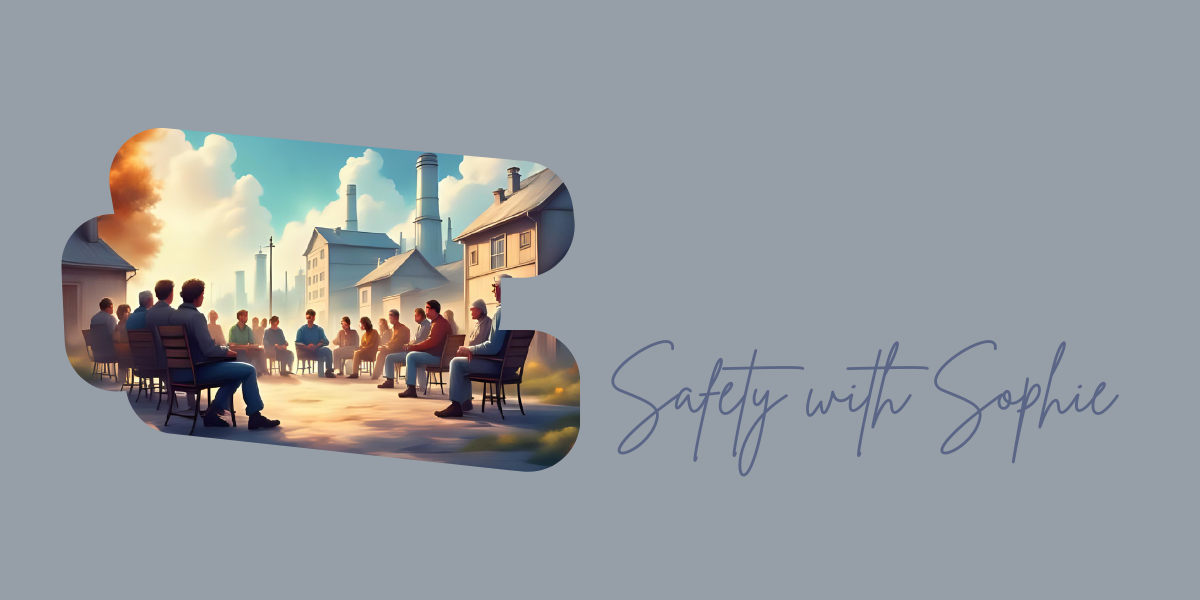
When we think of workplace safety, most of us picture PPE, machinery, or physical hazards. But there’s another layer that’s just as important: psychological safety. It’s the confidence that you can speak up, raise concerns, or admit mistakes without fear of blame or embarrassment.
In 2025, I saw more NSW and Queensland sites starting to embrace psychological safety. The results? Fewer hidden issues, stronger teamwork, and faster problem-solving. In this blog, I’ll share examples and tools to help your workplace build psychological safety in 2026.
1. Encouraging Open Conversations
Example: A manufacturing site in Brisbane introduced “safety huddles” where workers could raise concerns without managers dominating the discussion. Workers shared small hazards—like blocked walkways—that might otherwise have gone unnoticed.
👉 Takeaway: Open conversations uncover risks early.
Checklist: Running a Safety Huddle
-
✅ Everyone gets a chance to speak
-
✅ Use plain language, no jargon
-
✅ Record issues without blame
-
✅ Follow up so concerns aren’t ignored
2. Supporting Mistake Reporting
Example: A Sydney refinery encouraged workers to log “good catches”—mistakes or near misses that could have caused harm. Instead of punishment, the focus was on solutions. Reports tripled within six months.
👉 Takeaway: Mistakes are learning opportunities, not reasons for discipline.
3. Training Leaders to Listen
Example: A QLD transport company trained supervisors in active listening. Workers said their supervisors stopped “shutting down” conversations and started asking questions instead. Morale and trust improved.
👉 Takeaway: Leadership behaviour sets the tone for the whole culture.
Template: Active Listening Steps
-
Stop what you’re doing
-
Make eye contact
-
Listen without interrupting
-
Ask clarifying questions
-
Summarise what you heard
4. Recognising and Valuing Contributions
Example: An NSW utilities company highlighted worker-led improvements in a monthly newsletter. From suggesting safer equipment layouts to improving signage, recognition encouraged more sharing of ideas.
👉 Takeaway: Recognition shows workers their voices matter.
5. Balancing Workloads
Example: A Brisbane site noticed stress spikes during peak periods. Supervisors worked with teams to redistribute tasks, reducing burnout and improving overall safety focus.
👉 Takeaway: Psychological safety also means protecting wellbeing.
Bringing It All Together
Psychological safety isn’t soft—it’s practical. When workers feel safe to speak up, they protect each other, improve systems, and prevent incidents. In 2026, the safest workplaces will be those that treat psychological safety as a core part of health and safety.
Final Thoughts & Discussion Prompt
The strongest safety cultures are built on trust, not fear.
👉 Discussion Prompt:
How does your workplace encourage people to speak up without fear of blame?



Have something to add?
Share your experience, perspective or thoughts on the topic below.