.png?width=1000&height=500&name=IPA%20Logo%20Transparent%20(Hi-Res).png)
Industry 4.0: Navigating Challenges & Opportunities
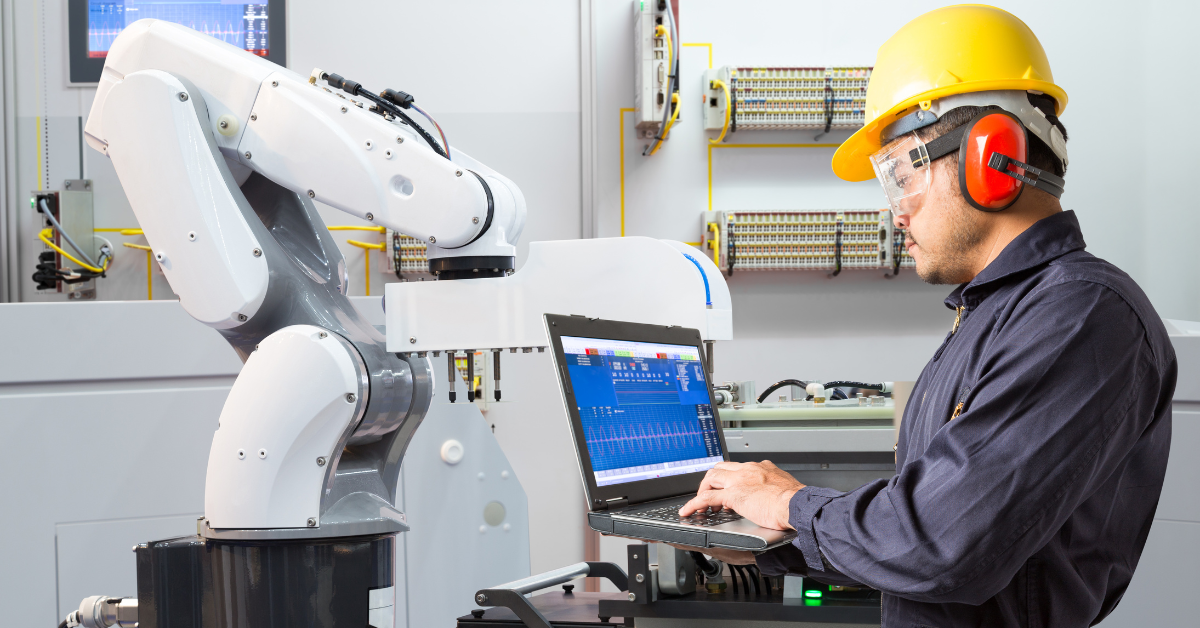
Imagine walking into a factory where machines talk to each other, production lines adjust themselves, and a tablet in your hand shows exactly what’s happening in real time. Sounds like science fiction? Not anymore. Welcome to Industry 4.0—the era of smart factories, connected devices, and data-driven decisions.
For many industrial operations, this digital transformation brings enormous opportunities—but it’s not without its hurdles.
A Day in the Smart Factory
Let’s paint a picture: Jane, a production manager in Sydney, starts her day with a coffee and a quick check of her tablet. Overnight, the factory’s sensors detected a small issue in one of the machines and automatically scheduled maintenance for mid-morning. The supply chain dashboard shows that a shipment of materials is delayed, allowing her to adjust the production schedule before it becomes a problem. All without breaking a sweat.
This kind of proactive, connected approach is the promise of Industry 4.0.
Opportunities to Get Excited About
-
Boosted Efficiency
Connected machines and real-time data make it easier to spot inefficiencies and optimise production. Fewer delays, less waste, and higher output—what’s not to love? -
Predictive Maintenance
No more panicking when a machine breaks down. Smart systems predict issues before they happen, saving time, money, and stress. -
Smarter Supply Chains
Visibility across suppliers, warehouses, and transport means better planning and fewer surprises. -
Customisation Without Chaos
Customers increasingly want products tailored to them. Industry 4.0 allows flexible production without slowing things down. -
Data-Driven Decisions
With dashboards and analytics, managers like Jane can make informed choices quickly, rather than relying on guesswork.
The Challenges You Can’t Ignore
-
Costly Upgrades
New technology isn’t cheap. Smaller operations may need to think carefully about where to start. -
Skills Gap
Workers need new skills—data literacy, IoT know-how, and familiarity with AI-driven tools. Training and recruitment are key. -
Cybersecurity Concerns
More connectivity = more targets for cyberattacks. Securing data and systems is critical. -
Old vs. New Tech
Many factories have legacy equipment. Integrating old machines with smart systems can be tricky. -
Culture Shock
Not everyone is comfortable with change. Staff may worry about job security or struggle with new systems, so communication and support are vital.
Making Industry 4.0 Work
The key to success? Strategy, patience, and people. Start small with pilot projects, focus on training, and keep communication open. When employees see the benefits in action—like fewer late-night emergency repairs—they’re far more likely to embrace the change.
Looking Forward
Industry 4.0 isn’t just about machines and tech—it’s about smarter ways of working. Companies that combine human expertise with intelligent systems can unlock efficiency, innovation, and resilience.
So, whether you’re managing a factory in Brisbane or a workshop in Melbourne, the future is clear: those who embrace digital transformation thoughtfully will thrive.




Have something to add?
Share your experience, perspective or thoughts on the topic below.