.png?width=1000&height=500&name=IPA%20Logo%20Transparent%20(Hi-Res).png)
Industry Perspectives
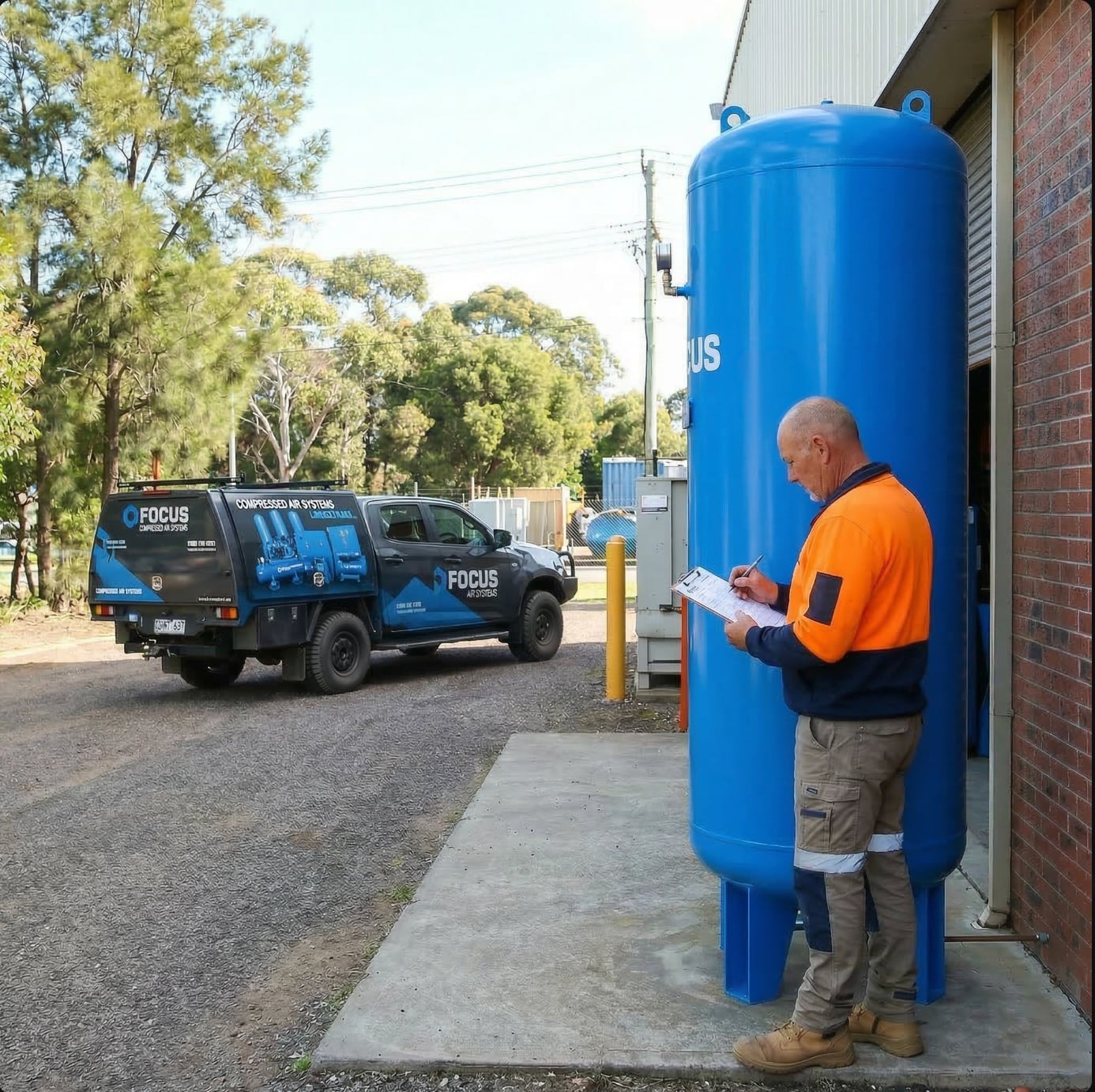
Pressure Vessel Inspection Requirements in Australia
Air Receiver Tanks & Compressed Air Systems
Operating a compressed air system in Australia requires strict air receiver compliance, yet many businesses are unsure of the required inspections and how often they must be carried out.
Under WHS regulations and AS/NZS 3788, air receiver tanks are classified as pressure vessels, which means they must undergo routine inspections to remain safe and compliant. These inspections are not just best practice; they are a legal requirement designed to prevent failures.
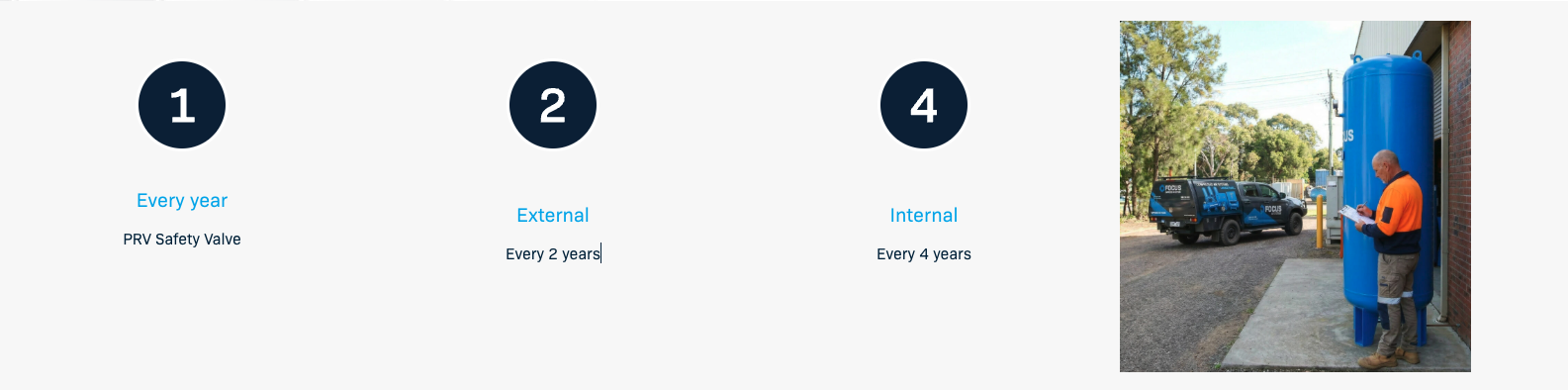
PRV Annual inspection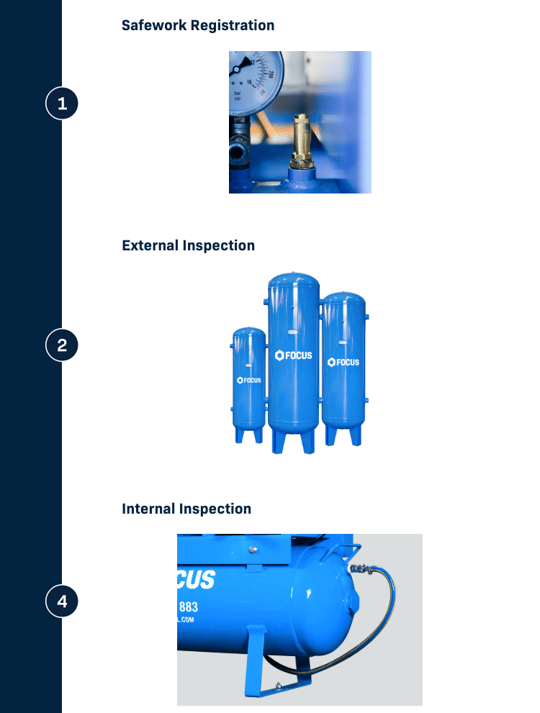
- Visual inspection for corrosion
- Test safety valve operation
- Confirm correct pressure set point
- Check discharge and sealing
- Replace valve if non-compliant
External Inspection (2-Year)
- Visual inspection for corrosion, dents, and structural damage
- Check weld seams and vessel integrity
- Inspect gauges, valves, and pipework condition
- Verify compliance plate and vessel identification
- Check condensate drains and operation
- Confirm installation meets safety requirements
Internal Inspection (4-Year)
- Isolate, lockout and depressurise the vessel
- Drain and open the vessel for internal access
- Inspect for internal corrosion, rust and contamination
- Assess internal lining and condition
- Ultrasonic thickness testing (if required)
- Provide compliance report and recommendations


/Sophie%20Reynolds%20%236.png)
-d12d77.png)
Have something to add?
Share your experience, perspective or thoughts on the topic below.