.png?width=1000&height=500&name=IPA%20Logo%20Transparent%20(Hi-Res).png)
Indigenous Economic Participation as Strategic Opportunity

In many organisations, Indigenous engagement still sits within corporate affairs, sustainability, or reconciliation reporting.
But forward-thinking leaders across NSW and QLD are reframing Indigenous economic participation as something far more strategic:
A driver of resilience.
A source of competitive differentiation.
A long-term value creation lever.
This shift moves the conversation beyond compliance or moral obligation — and into strategic design.
From Initiative to Integration
Indigenous procurement policies have grown significantly across state and federal supply chains. Many infrastructure, construction, professional services, and energy projects now include participation targets.
However, treating Indigenous engagement purely as a tender requirement misses its broader strategic value.
Organisations that integrate Indigenous partnerships into core business strategy benefit from:
- Supply chain diversification
- Enhanced social licence to operate
- Stronger regional relationships
- Greater alignment with government procurement frameworks
- Long-term partnership resilience
Strategic Value in Practice
Consider an anonymised regional NSW infrastructure services firm.
Initially engaging Indigenous suppliers to meet procurement thresholds, they later realised these partnerships strengthened local project intelligence and stakeholder engagement. Indigenous-owned subcontractors brought regional insights and community trust that improved project delivery timelines and reduced friction.
What began as compliance became operational advantage.
In Queensland, a mid-sized engineering consultancy built a long-term partnership with an Indigenous-owned environmental services provider. Beyond meeting participation targets, the collaboration enhanced capability in land management and community engagement — improving competitiveness in government tenders.
Strategic integration outperformed transactional engagement.
Why This Matters for NSW & QLD
Both states have:
- Significant regional infrastructure pipelines
- Large land-based projects
- Government procurement frameworks encouraging Indigenous participation
- Strong Indigenous business networks
For organisations operating in regional and remote areas, local relationships are not peripheral — they are commercially material.
Indigenous economic participation strengthens place-based strategy.
Moving from Transactional to Strategic Partnership
The key distinction lies in intent.
Transactional approach:
Engage Indigenous suppliers to meet percentage targets.
Strategic approach:
Identify areas where Indigenous capability enhances long-term value and embed partnerships into core operations.
This requires:
- Early-stage collaboration, not last-minute procurement
- Multi-year relationship building
- Capability exchange and joint innovation
- Shared growth planning
Executive Framework: Embedding Indigenous Participation into Strategy
Step 1: Map Strategic Alignment
Where do Indigenous-owned businesses align with your core value chain — construction, environmental management, logistics, advisory, facilities management?
Step 2: Shift from Targets to Capability
Focus on capability contribution rather than percentage spend alone.
Step 3: Design Long-Term Agreements
Multi-year partnerships build trust, capability, and efficiency.
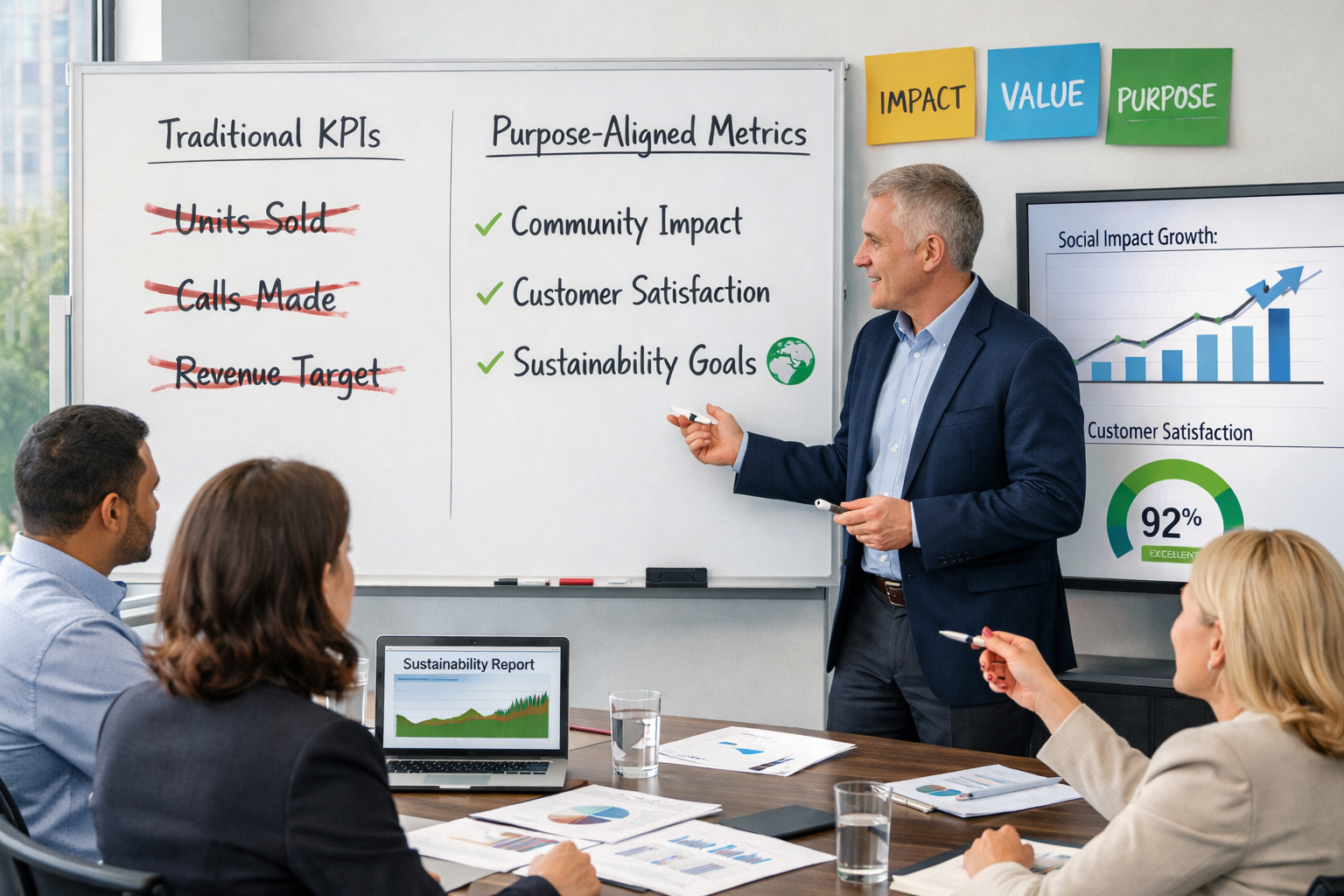
Step 4: Measure Broader Impact
Track outcomes such as:
- Regional relationship strength
- Tender competitiveness
- Community engagement metrics
- Project delivery efficiency
Executive Checklist
✅ Identify areas of strategic overlap in your supply chain
✅ Engage Indigenous business networks early in project planning
✅ Build multi-year partnership models rather than one-off contracts
✅ Align participation goals with operational capability
✅ Include Indigenous engagement in board-level strategy discussions
✅ Communicate partnerships transparently and respectfully
The Broader Lens: Resilience and Legitimacy
In today’s environment — where trust, local impact, and social legitimacy matter more than ever — Indigenous economic participation strengthens organisational resilience.
It enhances:
- Community trust
- Stakeholder alignment
- Procurement credibility
- Regional operating intelligence
When integrated thoughtfully, it is not philanthropy.
It is strategic positioning.
Final Thought
The next evolution of Australian business strategy will belong to organisations that see beyond compliance frameworks and recognise the structural value of inclusive economic design.
Indigenous economic participation, when approached with authenticity and long-term intent, becomes not just a reconciliation initiative — but a durable competitive advantage.
Discussion Prompt
Has your organisation moved beyond Indigenous procurement targets toward long-term strategic partnerships? What value — operational or commercial — have you seen emerge from those relationships?



Have something to add?
Share your experience, perspective or thoughts on the topic below.