.png?width=200&height=100&name=IPA%20Logo%20Transparent%20(Hi-Res).png "IPA Logo Transparent (Hi-Res)")

Post-AI Workflow Design: Humans in the Loop
One of the most common patterns emerging in organisations right now is that AI has already quietly removed chunks of work—but no one has properly redesigned the system around what’s left.
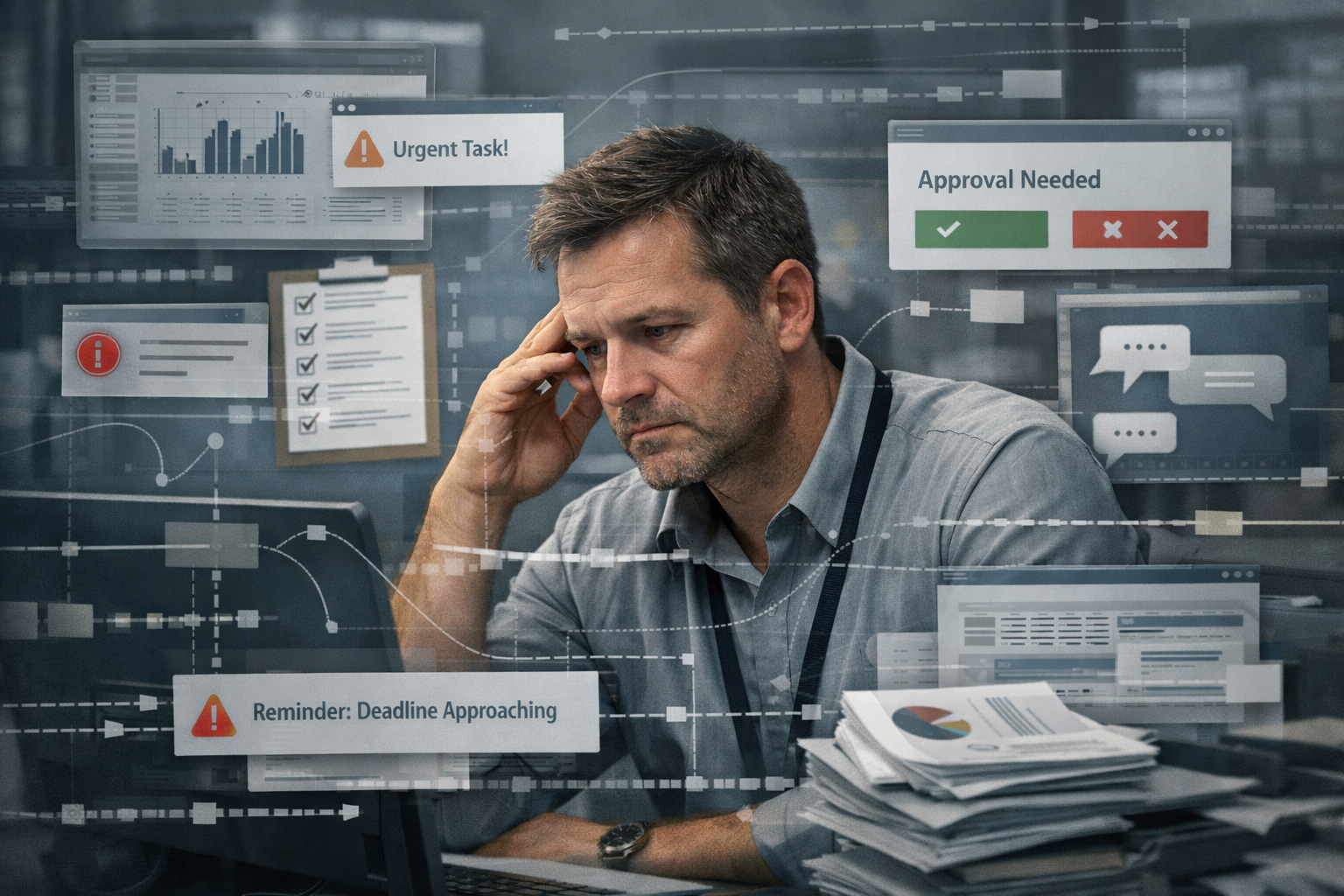
So you end up with people doing less of the easy stuff, but still carrying the same old structure, meetings, approvals, and reporting expectations. The workload feels different, but not necessarily lighter.
The real opportunity usually sits in the gaps between tasks rather than the tasks themselves.
The first obvious place is reporting. AI is already good at pulling data, summarising trends, and drafting commentary. But what hasn’t changed is how many layers of human review still sit on top of it “just in case”. That’s where time gets quietly wasted—not in creating the report, but in everyone re-checking it because ownership and trust in the output hasn’t been clearly redesigned.
Another strong candidate is internal coordination work. Things like chasing updates, reformatting information between systems, and translating one team’s language into another team’s template. AI can reduce a lot of that friction, but only if teams are willing to standardise what “good enough” information actually looks like. Without that, AI just becomes another step in the chain instead of removing steps altogether.
Where it gets more interesting is in exception handling. Most organisations still design workflows as if exceptions are rare, when in reality they’re constant. AI can flag, categorise, and even suggest responses—but humans still need clear authority to make decisions without bouncing things around unnecessarily. If every exception still escalates to the same group of managers, nothing really improves, it just gets faster to overwhelm them.
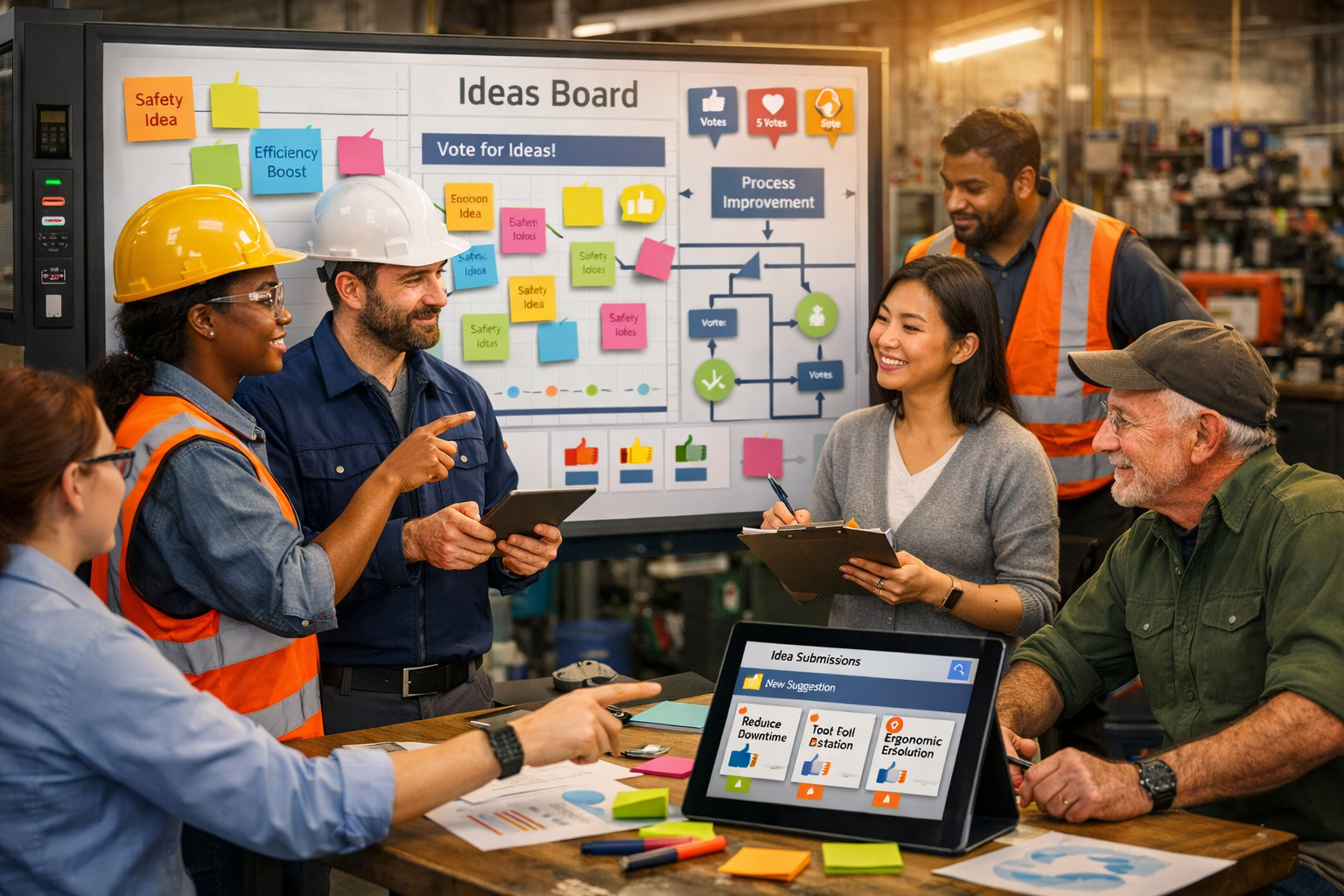
The organisations getting value from AI aren’t the ones asking, “What can we automate?” They’re the ones quietly redesigning ownership. Who decides, who reviews, and who only needs to be involved when something is genuinely ambiguous or high-risk.
In practice, that often means less time in status meetings, fewer “just checking in” messages, and more time actually dealing with the edge cases that AI can’t responsibly resolve.
The harder part isn’t the technology. It’s letting go of old habits where human involvement was used as a default safety net rather than a targeted intervention.
If you strip it right back, the biggest gains usually come from one question:
Where are we still making humans manually validate something that we no longer fully trust, but also haven’t redesigned properly yet?
That’s usually the real bottleneck hiding in plain sight.